Introduction
If you've experienced sharp, shooting pain down your leg that seems to come from deep in your buttock or hip, you may be dealing with piriformis syndrome. This condition affects millions of adults, yet it remains one of the most commonly misdiagnosed causes of leg pain. Many people suffering from piriformis syndrome causing leg pain are initially told they have sciatica, a herniated disc, or other spinal issues—only to find that standard treatments don't help. Understanding what piriformis syndrome actually is, how it develops, and why it's so frequently confused with other conditions is the first step toward effective relief. This article will walk you through the anatomy, symptoms, and evidence-based approaches to managing this frustrating condition, so you can better advocate for your own health and explore the right treatment path.
What Is Piriformis Syndrome and How Does It Develop?
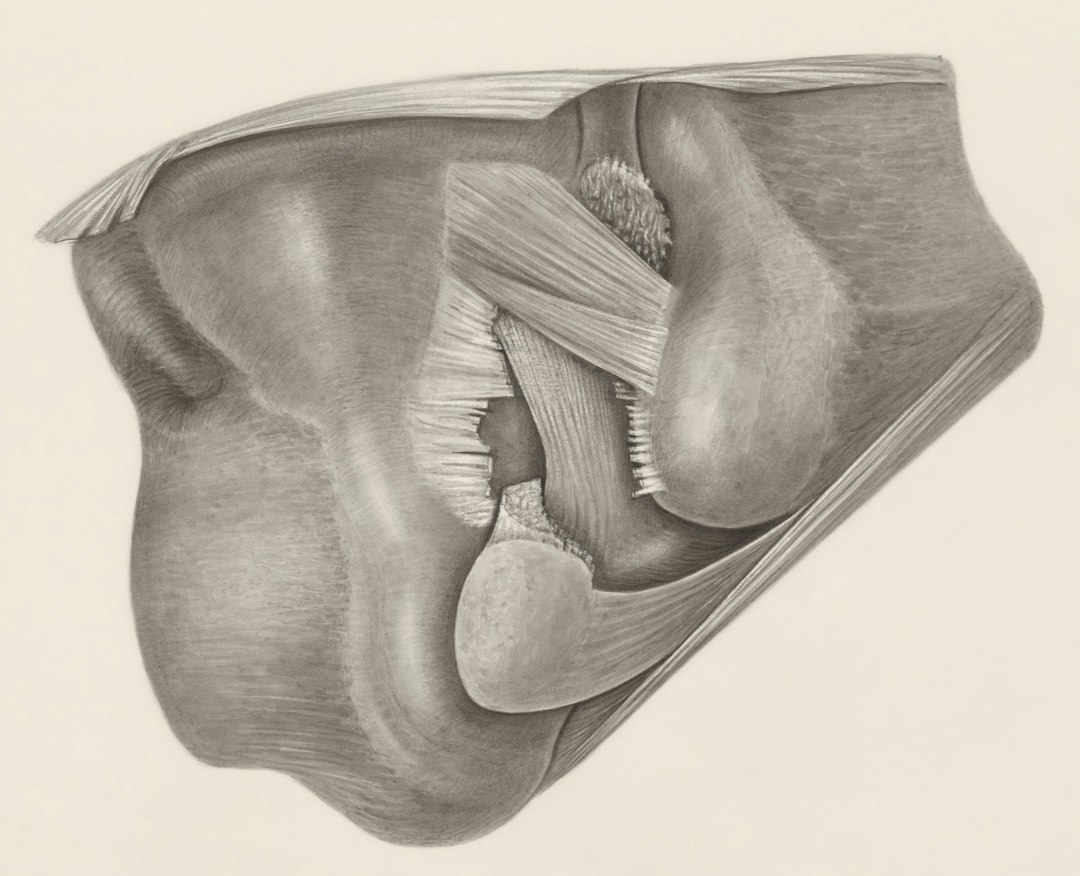
The piriformis is a small but mighty muscle located deep in your buttock, running from your sacrum (the base of your spine) to the top of your thighbone. Its primary job is to rotate your hip externally—the movement you make when you turn your leg outward. What makes this muscle particularly relevant to nerve pain is its anatomical relationship to the sciatic nerve. In most people, the sciatic nerve passes beneath the piriformis muscle. However, in roughly 15 percent of the population, the nerve actually passes through the muscle itself, creating a more vulnerable setup for compression.
Piriformis syndrome develops when this muscle becomes tight, inflamed, or goes into spasm, which then puts direct pressure on the sciatic nerve. A 2019 review published in the American Journal of Physical Medicine & Rehabilitation noted that the condition is often triggered by prolonged sitting, repetitive hip movements, direct trauma to the buttock, or muscle imbalances from poor posture. Unlike a herniated disc, which compresses the nerve at the spine itself, piriformis syndrome causing leg pain originates from peripheral compression—meaning the nerve gets squeezed far from the spine, at the level of the hip. This distinction is crucial for diagnosis and treatment. Activities like sitting for long hours at a desk, driving extended distances, or even sleeping on the affected side can aggravate the piriformis muscle and trigger or worsen symptoms. Understanding this mechanism helps explain why certain movements or positions make your pain better or worse.
Signs and Symptoms of Piriformis Syndrome
The pain pattern associated with piriformis syndrome has some distinctive characteristics that can help differentiate it from other causes of leg pain. Most commonly, people report a deep, aching pain in the buttock that may radiate down the back or side of the leg, sometimes extending all the way to the foot. This radiating quality is why it's so often confused with sciatica—the symptoms can look remarkably similar. However, there are key differences. In true sciatica from a disc herniation, pain typically follows a very specific nerve root distribution and is often accompanied by numbness, tingling, or weakness in a predictable pattern. With piriformis syndrome, the pain tends to be more localized to the buttock and upper leg, and neurological symptoms like numbness are less common.
Other telltale signs include pain that worsens when sitting for long periods, particularly when crossing your legs; discomfort when climbing stairs or walking uphill; and tightness or a "dead leg" sensation. Some people describe a feeling of internal hip rotation limitation or difficulty with certain movements. The pain is often worse in the morning after sleeping or after prolonged sitting, and many people find relief by lying down or changing position. What distinguishes piriformis syndrome causing leg pain from spinal sciatica is that imaging tests—like MRI or X-rays of the spine—typically come back normal, which is why misdiagnosis is so common. Your doctor may find nothing wrong with your spine and incorrectly conclude there's no structural problem, when the actual issue is muscular compression at the hip. This diagnostic gap has led to frustration for countless patients who don't fit neatly into standard sciatica categories.
Why Piriformis Syndrome Is Often Misdiagnosed
The misdiagnosis of piriformis syndrome is not due to negligence but rather to the limitations of standard diagnostic tools and the overlapping symptom profiles of various leg pain conditions. First, there's no single definitive imaging test for piriformis syndrome. MRI scans show the spine beautifully but don't necessarily reveal a tight piriformis muscle compressing a nerve. Many people get an MRI, see no disc herniation, and receive an unclear diagnosis. Additionally, the symptoms of piriformis syndrome mimic sciatica so closely that the two conditions are often confused or conflated. A 2020 study in the Journal of Chiropractic Medicine found that piriformis syndrome accounts for approximately 5 to 36 percent of sciatica cases—a huge range that reflects how hard it is to pin down.
Another reason for misdiagnosis is that many healthcare providers are simply more familiar with spinal causes of leg pain and may not think to evaluate the piriformis muscle during examination. A proper clinical assessment involves specific tests—such as the Freiberg sign, Pace sign, or FAIR test (Flexion, Adduction, and Internal Rotation)—that specifically target piriformis tightness. Without these specialized assessments, the condition can be easily overlooked. Furthermore, piriformis syndrome is more common in certain populations, including those with sedentary lifessions, athletes, and people with certain anatomical variations, yet it's not always top of mind for providers. The result is that many people undergo unnecessary treatments for presumed disc herniations or spinal stenosis while the real culprit—a tight piriformis muscle—goes unaddressed.
How Piriformis Syndrome Affects Daily Life
Living with ongoing leg pain from piriformis syndrome can significantly impact quality of life in ways that extend far beyond the physical discomfort. Many people find themselves unable to sit comfortably at work, which is particularly challenging in our desk-bound culture. Activities that were once routine—driving, sitting through meetings, watching a movie—become sources of dread or require frequent position changes. The pain can interfere with sleep, leading to poor rest and compounding fatigue. For those who enjoy exercise, piriformis syndrome often forces a halt to running, cycling, or other activities that aggravate the condition, which then affects mental health and fitness levels.
Social activities suffer too. Sitting at restaurants, attending sporting events, or traveling by plane or car becomes uncomfortable or anxiety-inducing. Over time, the constant pain and limitation can contribute to depression and a sense of helplessness, particularly when standard treatments haven't worked. Many people report feeling isolated or frustrated because their condition is invisible—there's no cast, no obvious injury—yet the pain is very real and disabling. The psychological burden of chronic pain, combined with the confusion of misdiagnosis, can leave people feeling unheard by the healthcare system. Recognizing that piriformis syndrome is a legitimate, treatable condition is the first step toward reclaiming an active, pain-free life.
Natural Approaches and Lifestyle Modifications
One of the most encouraging aspects of piriformis syndrome is that it often responds well to conservative, non-invasive treatments. The foundation of any management plan should include addressing the behaviors and habits that aggravate the condition. If you spend long hours sitting—whether at a desk, in a car, or on a couch—making regular position changes and getting up to stretch every 30 to 60 minutes can significantly reduce symptoms. When you do sit, avoid crossing your legs, and consider using a cushion that relieves pressure on your buttocks. Proper ergonomics at your workspace, with your hips at 90 degrees and your feet flat, can prevent constant low-level irritation.
Targeted stretching is one of the most effective natural interventions. The piriformis stretch—lying on your back and pulling one knee across your body toward the opposite shoulder—can provide relief when done gently and consistently. Holding stretches for 20 to 30 seconds, repeated several times daily, helps lengthen the muscle and reduce compression on the sciatic nerve. Foam rolling the buttock and hip region can also help, though it should be done carefully to avoid aggravating acute inflammation. Strengthening exercises that target the hip muscles and glutes can improve muscle balance and reduce strain on the piriformis. Physical therapy has strong research support; a 2018 systematic review in Sports Medicine found that targeted physical therapy reduced pain and improved function in the majority of piriformis syndrome cases.
Heat and cold therapy can provide symptomatic relief. Applying heat to the affected area for 15 to 20 minutes can relax a tight muscle, while ice may help if there's inflammation. Many people find that combining these modalities—heat before stretching or exercise, ice after activity—works best. Additionally, addressing postural issues and muscle imbalances throughout the body, such as tight hip flexors or weak glutes, can reduce long-term strain on the piriformis. Some people also benefit from massage therapy or myofascial release targeting the affected area, though this should be done by someone familiar with piriformis syndrome to avoid causing additional irritation.
Nutritional Support and Dietary Considerations
While lifestyle modifications form the core of piriformis syndrome management, nutritional support plays an underappreciated role in reducing inflammation and supporting nerve health. The sciatic nerve, like all nerves, requires adequate micronutrients to function optimally and repair any compression-related damage. B vitamins—particularly B6, B12, and folate—are essential for nerve function and myelin formation, the insulating sheath that protects nerves. A deficiency in these vitamins can impair nerve healing and exacerbate pain. Foods rich in B vitamins include leafy greens, eggs, poultry, fish, and legumes, though supplementation may be necessary if dietary intake is insufficient.
Magnesium is another nutrient critical for muscle function and relaxation. This mineral plays a key role in regulating muscle contractions and preventing involuntary muscle spasms. A chronically tight piriformis may be partly due to magnesium deficiency, which is common in Western diets. Magnesium-rich foods include almonds, pumpkin seeds, spinach, and dark chocolate. Calcium works in tandem with magnesium to regulate muscle function, so adequate intake of both minerals is important. Omega-3 fatty acids from sources like fatty fish, flaxseeds, and walnuts have anti-inflammatory properties that may help reduce nerve inflammation and pain. A 2017 study in Nutrients highlighted the role of omega-3s in reducing inflammatory cytokines associated with chronic pain conditions.
Antioxidant-rich foods—including berries, citrus fruits, and colorful vegetables—support overall nerve health and reduce oxidative stress that can perpetuate inflammation. Vitamin D also deserves mention; deficiency has been linked to chronic pain conditions, and adequate sun exposure or dietary sources (fatty fish, egg yolks, fortified dairy) help maintain healthy vitamin D levels. This is why many adults turn to targeted nerve support formulas—one such option is SciatiEase, which combines these key nutrients in one supplement. However, the foundation should always be a balanced, anti-inflammatory diet rich in whole foods before considering supplementation.
Frequently Asked Questions
Can piriformis syndrome go away on its own? Mild cases of piriformis syndrome may improve with rest and self-care, particularly if the triggering activity is avoided. However, without active intervention—such as stretching, strengthening, and postural corrections—chronic cases often persist or recur. Most healthcare providers recommend at least 4 to 6 weeks of conservative treatment before considering more advanced options. Consistency with self-care is key to long-term resolution.
Is piriformis syndrome the same as sciatica? Piriformis syndrome is one specific cause of sciatica, but not all sciatica is caused by the piriformis muscle. True sciatica most commonly results from a herniated disc or spinal stenosis compressing the nerve at the spine. Piriformis syndrome causes pain along the sciatic nerve distribution but originates from peripheral compression at the hip. Distinguishing between them requires careful clinical evaluation and sometimes imaging.
What should I avoid if I have piriformis syndrome? Avoid prolonged sitting, especially with legs crossed; repetitive hip movements; and activities that internally rotate the hip. Additionally, avoid aggressive massage or stretching that could inflame an already irritated muscle. High-impact exercise may need to be limited during the acute phase, though gentle movement and targeted physical therapy should continue.
Next Steps and Resources
Dealing with piriformis syndrome can be frustrating, especially when basic lifestyle changes aren't enough and you're struggling to find the right support. Many people find that addressing nutritional deficiencies alongside physical therapy accelerates their recovery. Learn more about SciatiEase and how its formulation targets the key nutrients discussed in this article to support nerve health and reduce inflammation. You don't have to live with this pain indefinitely—understanding your condition and taking a multi-faceted approach gives you the best chance of getting your life back.