Introduction
If you spend eight hours a day sitting at a desk, you're not alone—and you may be experiencing sciatic nerve pain as a result. Sciatica, the inflammation or compression of the sciatic nerve, affects millions of adults, particularly those over 40. The condition causes sharp, burning pain that radiates from the lower back through the buttocks and down one leg, often making work and daily activities unbearable. While many people assume sciatica is simply a consequence of aging or poor posture, the biomechanics of prolonged sitting play a critical role in triggering and worsening this condition. Understanding how sitting causes sciatic nerve compression is the first step toward preventing it and finding relief. In this article, we'll explore the precise mechanisms behind nerve compression during extended sitting, why certain positions are particularly problematic, and what you can do to protect your sciatic nerve.
The Anatomy and Biomechanics of Sitting-Related Sciatic Compression
The sciatic nerve is the longest and thickest nerve in the human body, originating from the lower spine (L4-S3 nerve roots) and extending through the pelvis, buttocks, and down both legs. When you sit, your hip flexors tighten, your glute muscles relax, and your spine curves in ways that can directly compress this nerve. A 2019 study published in Spine Journal found that prolonged sitting increases intradiscal pressure in the lumbar spine by up to 40%, creating an environment where herniated discs can press directly onto nerve roots.
The compression typically occurs in one of two locations: at the piriformis muscle (a deep muscle in the buttocks that the sciatic nerve passes through or near) or at the intervertebral discs in the lower lumbar region. When you sit for hours without movement, the piriformis muscle becomes increasingly tight and shortened. This tightness pinches the sciatic nerve, a condition sometimes called piriformis syndrome. Simultaneously, the prolonged flexion of your spine—the forward bend that happens naturally when sitting—puts enormous pressure on the posterior aspect of your intervertebral discs. Over time, this pressure can cause disc material to herniate or bulge, pressing directly onto the nerve roots that form the sciatic nerve.
Posture during sitting matters enormously. A 2020 biomechanical analysis in the Journal of Occupational Health Psychology showed that slouching or leaning forward increases nerve compression by an additional 30% compared to upright sitting. The problem worsens when people sit in soft chairs or car seats that don't provide proper lumbar support, allowing the spine to round excessively. Without adequate support, your pelvis tilts backward, further flattening the natural curve of your lower spine and intensifying pressure on the discs and nerve roots.
Signs and Symptoms of Sitting-Induced Sciatic Nerve Compression
The symptoms of sciatic nerve compression often develop gradually, especially in people who sit for extended periods. Many sufferers don't make the connection to their sitting habits until the pain becomes severe. Common signs include sharp, shooting pain that begins in the lower back or buttock and radiates down one leg, often stopping at the calf or foot. The pain is typically one-sided and may be accompanied by tingling, numbness, or a "pins and needles" sensation.
You might notice that symptoms worsen after sitting for 30 minutes to an hour, then improve when you stand or walk around. This pattern is a hallmark of sitting-related sciatica. Some people experience a dull ache in the buttock that becomes a sharp pain when they move certain ways or sit in particular positions. Weakness in the affected leg is another red flag—you might have difficulty lifting your foot or experience a sensation that your leg will "give out." Interestingly, many people with sitting-induced sciatica find that lying down provides relief because it removes pressure from the spine and allows compressed nerves to decompress.
The severity of symptoms varies widely. A 2021 study in Physical Therapy Reviews noted that individuals who sit more than six hours daily are 2.5 times more likely to develop chronic sciatica symptoms compared to those who sit fewer than four hours. Some people experience intermittent symptoms that appear only after particularly long sitting sessions, while others develop chronic pain that persists throughout the day. The longer the compression continues without intervention, the more likely nerve damage becomes, potentially leading to permanent symptoms even after you've changed your sitting habits.
Impact on Daily Life and Long-Term Consequences
Living with sciatic nerve pain disrupts nearly every aspect of daily life. Work becomes challenging—sitting through meetings or at your desk is painful, but standing all day isn't feasible either. Many people find they can't sit comfortably long enough to drive, attend social events, or enjoy meals with family. Sleep quality often suffers because finding a comfortable sleeping position becomes difficult, and nighttime pain can interrupt rest repeatedly.
The psychological toll shouldn't be underestimated. Chronic pain from sciatic compression frequently leads to anxiety and depression, particularly in people over 40 who worry about long-term disability or permanent nerve damage. Reduced physical activity—often necessary to avoid pain—leads to weight gain, muscle atrophy, and cardiovascular deconditioning, which can worsen overall health.
Long-term consequences of untreated sciatic compression extend beyond pain. Prolonged nerve compression can cause permanent nerve damage, resulting in chronic weakness, numbness, or loss of bladder/bowel control in severe cases. This is why addressing how sitting causes sciatic nerve compression early is so important. The good news is that most cases improve significantly with lifestyle changes and proper intervention before permanent damage occurs.
Natural Approaches and Lifestyle Modifications
The most effective treatment for sitting-induced sciatica begins with addressing the behavior that caused it: prolonged, static sitting. The evidence is clear: movement is medicine. A 2022 study in Ergonomics found that people who took a two-minute break every 30 minutes to stand and stretch reduced their sciatic pain by 60% within six weeks, compared to only 20% improvement in those who didn't change their sitting habits.
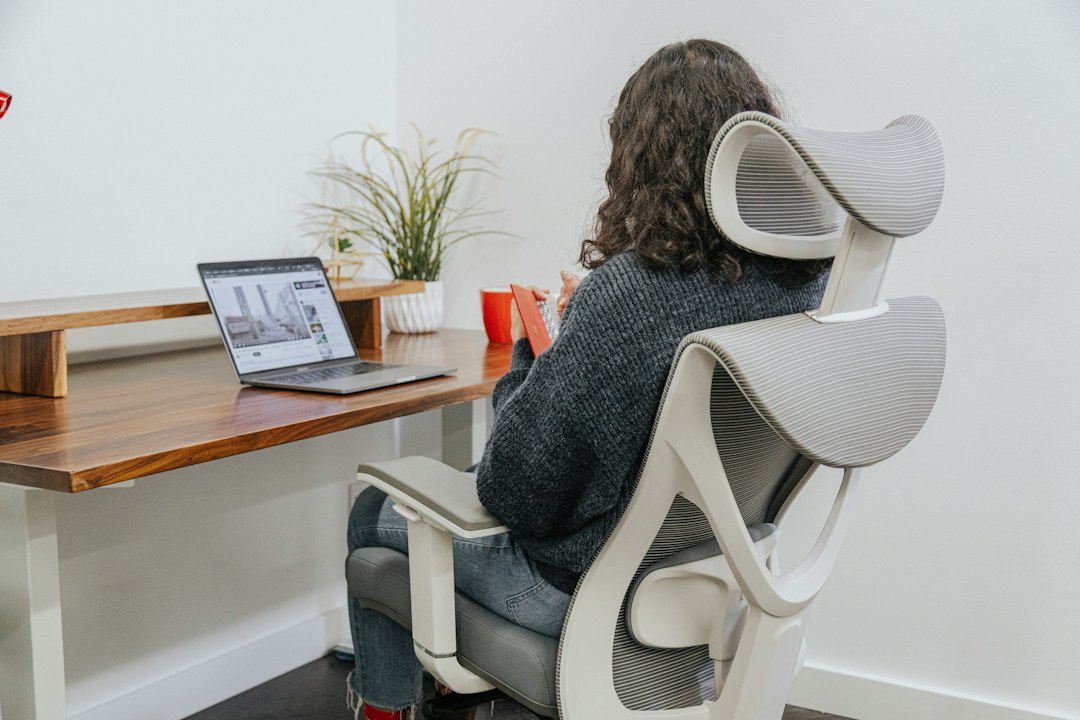
Implement the "sit-stand" approach: alternate between sitting and standing every 30 minutes. This prevents the cumulative compression that triggers nerve pain. When sitting, invest in a chair with proper lumbar support—your lower back should maintain its natural curve, not flatten against the chair. Your knees should be at a 90-degree angle with feet flat on the floor. Consider using a lumbar roll (a small pillow designed to support the lower back curve) if your chair doesn't provide adequate support.
Specific stretches and exercises target the piriformis muscle and hip flexors, the primary sites of compression. The pigeon pose—a yoga position where you sit with one leg bent in front of you and gently fold forward—is particularly effective for releasing piriformis tightness. Hamstring stretches, glute stretches, and hip flexor stretches should be performed daily. Strength training for your core and glute muscles provides essential support for your spine; weak glutes force your piriformis to work overtime, increasing compression risk.
Heat therapy provides temporary relief by relaxing tight muscles and improving blood flow, while ice can reduce inflammation if swelling is present. Massage therapy, particularly deep tissue massage targeting the piriformis and buttock muscles, offers significant relief for many people. This is why many adults turn to targeted nerve support formulas—one such option is SciatiEase, which combines key nutrients shown to support nerve health alongside these physical approaches.
Nutritional Support and Diet Considerations
While lifestyle changes address the mechanical causes of how sitting causes sciatic nerve compression, nutrition supports nerve healing and reduces inflammation. The sciatic nerve requires specific nutrients to maintain its myelin sheath (the protective coating around nerve fibers) and function optimally.
B-vitamins, particularly B12, B6, and folate, are essential for nerve health and myelin production. A 2020 study in Nutritional Neuroscience found that adults with sciatic pain often have suboptimal B-vitamin levels, and supplementation improved symptoms significantly. B12 is particularly important because it directly supports myelin regeneration; deficiency can worsen nerve compression symptoms and slow recovery.
Alpha-lipoic acid (ALA) is a powerful antioxidant that reduces inflammatory markers associated with nerve compression. Research in Diabetes Care (2011) showed that ALA supplementation reduced neuropathic pain symptoms by up to 73% in people with nerve-related pain conditions. Magnesium supports muscle relaxation and nerve function; deficiency increases muscle tension and compression risk. Studies suggest 400-500mg daily for people with sciatic pain.
Anti-inflammatory foods should form the foundation of your diet. Fatty fish rich in omega-3 fatty acids (salmon, sardines, mackerel), leafy greens, berries, and turmeric all reduce systemic inflammation that contributes to nerve compression. Conversely, refined carbohydrates, processed foods, and excessive sugar increase inflammation and should be minimized. Adequate hydration supports disc health—intervertebral discs are 80% water and require consistent hydration to maintain their cushioning function and prevent compression.
Frequently Asked Questions
Q: How long does it take for sitting to cause sciatic nerve compression?
A: This varies by individual, but research suggests symptoms can develop within weeks of regular prolonged sitting, particularly in people over 40 whose spinal discs are already losing hydration. Some people experience acute compression after a single long sitting session, while others develop it gradually over months. Factors like existing poor posture, weak core muscles, and poor chair support accelerate the process.
Q: Can I reverse sciatic nerve compression from sitting?
A: Yes, in most cases. If compression hasn't caused permanent nerve damage, stopping the behavior that caused it (prolonged sitting) and implementing appropriate stretches, strengthening exercises, and postural changes typically resolve symptoms within 4-12 weeks. Severe cases with disc herniation may take longer but usually improve with consistent effort.
Q: What's the best sitting position to prevent sciatica?
A: Sit upright with your lower back maintaining its natural curve, knees at 90 degrees, and feet flat. Use lumbar support if needed. More importantly, don't stay in any position too long—alternate sitting and standing every 30 minutes to prevent cumulative compression.
Moving Forward
Understanding how sitting causes sciatic nerve compression empowers you to take preventive action before pain develops—or to resolve it quickly if it already has. The biomechanics are straightforward: prolonged sitting tightens muscles and pressurizes spinal discs, compressing the sciatic nerve. The solution is equally straightforward: move regularly, sit properly, stretch consistently, and support your nerve health through nutrition and lifestyle.
If you're experiencing sciatic pain and have made lifestyle changes without complete relief, nutritional support may help accelerate your recovery. Learn more about how targeted nerve support supplements like SciatiEase can complement your stretching and postural changes to address the nutritional factors that support nerve healing.