Introduction
Sciatic nerve pain when sitting is one of the most common complaints we hear from adults over 40. You settle into your office chair or favorite recliner, and within minutes—or sometimes seconds—a sharp, burning sensation radiates down one leg. The pain might feel like electricity, numbness, or a deep ache that makes you want to stand up immediately. What's frustrating is that sitting should be restful, yet for millions of people with sciatica, it becomes a source of constant discomfort.
The good news is that you're not alone, and there are concrete reasons why this happens—along with practical solutions that can help. Understanding why sciatic nerve pain worsens when you sit is the first step toward managing it effectively. This article explores the mechanics behind sitting-related sciatica, the warning signs to watch for, and evidence-based strategies to reduce pain and reclaim your comfort.
Why Sciatic Nerve Pain Gets Worse When You Sit
Pressure and compression are the primary culprits behind sciatic nerve pain when sitting. When you sit, your hip flexors shorten and your glute muscles relax. The sciatic nerve runs directly beneath the piriformis muscle in your buttocks, and prolonged sitting can cause that muscle to become tight and irritated. If the piriformis muscle spasms or becomes inflamed, it can press directly on the sciatic nerve—a condition sometimes called piriformis syndrome.
Additionally, sitting increases pressure on the discs in your lower spine. A 2019 study published in the Journal of Physical Therapy Science found that sitting posture significantly increased intradiscal pressure compared to standing, making it easier for a bulging or herniated disc to irritate nerve roots. Poor sitting posture compounds this problem: slouching or leaning forward places even greater strain on the lower back and sciatic nerve pathway.
Another factor is reduced blood flow. When you sit in the same position for extended periods, circulation to the muscles and nerves in your lower body decreases. This creates an environment where inflammation builds up and the nerve becomes more sensitive. The longer you sit without movement, the more fluid accumulates in the affected tissues, increasing pain and stiffness.
Temperature also plays a role. Many people with sciatica find that cold environments worsen their symptoms, and prolonged sitting—especially in air-conditioned offices—can trigger increased muscle tension. The combination of pressure, poor posture, reduced circulation, and cold exposure creates a perfect storm for nerve irritation during and after sitting sessions.
Recognizing the Signs and Symptoms
Sciatic nerve pain presents differently from person to person, but certain patterns are nearly universal. Most people experience pain on one side of the body—rarely both sides simultaneously. The pain might start in the lower back and travel down through the buttock, thigh, calf, and even into the foot. Some describe it as sharp and stabbing; others report a constant dull ache or electric, burning sensations.
Numbness and tingling are also common, particularly in the foot or toes. You might feel weakness in your affected leg, making it difficult to lift your foot or stand on that side. These neurological symptoms occur because the sciatic nerve carries both motor signals (controlling muscle movement) and sensory signals (carrying pain and touch information).
The timing of symptoms is crucial for understanding your condition. If you notice that pain intensifies within 15 to 30 minutes of sitting, or worsens after sitting for an hour or more, this is a classic sign of mechanical sciatic nerve compression. Some people find that changing positions frequently helps—standing up, walking, or lying down may provide temporary relief. This pattern suggests that a structural issue—such as a tight muscle, herniated disc, or misalignment—is responsible for your pain.
Red flag symptoms warrant immediate medical attention: severe weakness in your leg, loss of bladder or bowel control, or pain that persists despite conservative treatment for several weeks. A 2020 review in the Clinical Journal of Pain emphasized the importance of early diagnosis to rule out serious underlying conditions like spinal stenosis or tumors, though these are rare.
How Sciatic Nerve Pain Impacts Daily Life
Living with sciatic nerve pain when sitting disrupts nearly every aspect of your routine. Work becomes challenging if your job requires desk time—you may find yourself standing at a standing desk, shifting positions constantly, or taking frequent breaks just to manage pain. Productivity drops because you're distracted by discomfort and the mental load of managing your symptoms.
Social and recreational activities suffer too. Long car rides, airplane flights, and even casual dining with friends become sources of anxiety. You might avoid activities you once enjoyed because sitting aggravates your condition. Sleep quality often declines if you struggle to find a comfortable sleeping position or experience pain that wakes you during the night.
The emotional toll is real. Chronic pain creates stress and frustration, which can trigger a cycle where tension worsens muscle tightness and nerve irritation. Many people develop anxiety about when the next flare-up will occur, leading to behavioral changes—like avoiding sitting altogether—that ironically can weaken your core and worsen long-term outcomes.
Natural Approaches and Lifestyle Strategies
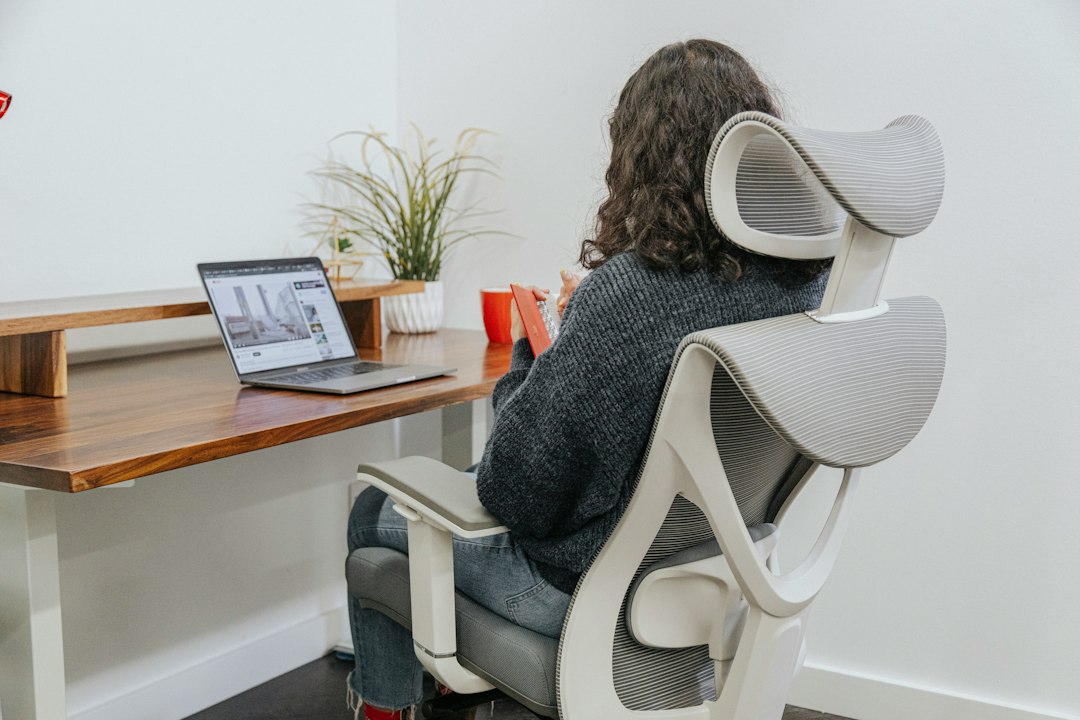
Posture correction is the first and most effective intervention. When sitting, keep your back against the chair, feet flat on the floor, and knees at a 90-degree angle. Your monitor should be at eye level to prevent slouching. Use a lumbar support pillow or ergonomic cushion to maintain the natural curve of your lower spine. A 2018 study in Ergonomics demonstrated that proper lumbar support significantly reduced sciatica pain in office workers.
Movement breaks are non-negotiable. Set a timer to stand and walk for 2-3 minutes every 30 minutes of sitting. This allows blood to recirculate, reduces disc pressure, and prevents muscle stiffness. Gentle stretching of your hip flexors, piriformis muscle, and hamstrings can provide immediate relief. The pigeon pose (a yoga stretch that targets the piriformis) is particularly effective for many people.
Heat and ice therapy offer quick relief. Apply heat to loosen tight muscles before stretching, or use ice after activity to reduce inflammation. Many people alternate between the two throughout the day.
Physical therapy and targeted exercises address the root cause. A physical therapist can assess your movement patterns and prescribe exercises to strengthen your core, glutes, and lower back—muscles that support proper spinal alignment. Weak core muscles force your spine to bear more load, increasing disc pressure and nerve irritation.
Sleep positioning matters too. Side sleepers should place a pillow between their knees; back sleepers should use a pillow under their knees to reduce lower back strain. Avoiding prolonged time in any single position reduces nighttime nerve irritation.
Dietary and Nutritional Considerations
While no single food cures sciatica, certain nutrients directly support nerve health and reduce inflammation. Vitamin B12 is essential for myelin formation—the protective coating around nerves. A deficiency impairs nerve function and can intensify pain. Research published in the Journal of the American Board of Family Medicine found that B12 supplementation improved symptoms in sciatica patients with documented deficiency.
Magnesium helps relax muscles and reduce nerve excitability. Studies show that magnesium deficiency correlates with increased muscle tension and neuropathic pain. Good sources include leafy greens, nuts, seeds, and whole grains. If you're not getting enough through diet, a healthcare provider can assess whether supplementation is appropriate.
Vitamin B6 and other B-complex vitamins support nerve function and myelin health. Deficiencies are particularly common in adults over 40, whose stomach acid decreases with age, reducing B12 absorption from food. Fortified cereals, poultry, chickpeas, and bananas are natural sources.
Omega-3 fatty acids reduce systemic inflammation, which is relevant because chronic sciatica often involves inflammatory processes. Fatty fish like salmon, sardines, and mackerel are excellent sources, as are flaxseeds and walnuts. A 2017 study in Pain Medicine showed that participants with adequate omega-3 intake reported less nerve pain intensity.
Antioxidant-rich foods—berries, dark leafy greens, and colorful vegetables—combat oxidative stress that damages nerve tissue. This is why many adults turn to targeted nerve support formulas — one such option is SciatiEase, which combines these key nutrients in one supplement designed specifically to support nerve health and reduce inflammation.
Finally, hydration shouldn't be overlooked. Dehydrated discs lose elasticity and are more likely to bulge, increasing nerve compression. Aim for 8-10 glasses of water daily, adjusted for activity level and climate.
Frequently Asked Questions
Q: Is sciatic nerve pain when sitting a sign of a serious condition?
A: Not necessarily. While sitting-induced pain is usually caused by muscle tightness or disc irritation, it's important to see a healthcare provider for proper diagnosis. Red flags include loss of bladder control, severe progressive weakness, or pain that doesn't improve with conservative care over 4-6 weeks. These warrant imaging and specialist evaluation.
Q: Can I make sciatica worse by exercising?
A: Yes, if you exercise incorrectly or too intensely. High-impact activities and exercises that aggravate your pain should be avoided during acute flare-ups. Gentle stretching, walking, and core-strengthening exercises are generally safe and beneficial. Work with a physical therapist to design a program tailored to your condition.
Q: How long does it take to recover from sciatic nerve pain when sitting?
A: Most acute cases improve within 4-6 weeks with conservative treatment. Chronic cases may take longer. Consistency with posture, stretching, and movement is key. Some people need ongoing management to prevent recurrence.
The Path Forward
Sciatic nerve pain when sitting doesn't have to dictate your life. By understanding the biomechanics behind your pain, making targeted lifestyle changes, and ensuring your body receives the nutrients it needs for nerve health, you can significantly reduce symptoms and restore your comfort. The strategies outlined here—from proper posture to strategic movement, stretching, and nutritional support—work together to address both the immediate pain and the underlying dysfunction.
Remember that recovery is often gradual, and what works for one person may need adjustment for another. Pay attention to your body's signals, stay consistent with your approach, and don't hesitate to consult a healthcare provider if symptoms persist or worsen.
If you're dealing with sciatic nerve pain when sitting and lifestyle changes alone aren't providing enough relief, nutritional support may help. Many people benefit from supplements formulated with the specific nutrients proven to support nerve health and reduce inflammation. Learn more about what targeted nerve support can offer and explore whether it might be right for your situation.